
Pickleball at Delhi Park: weighing growth against neighbourhood noise
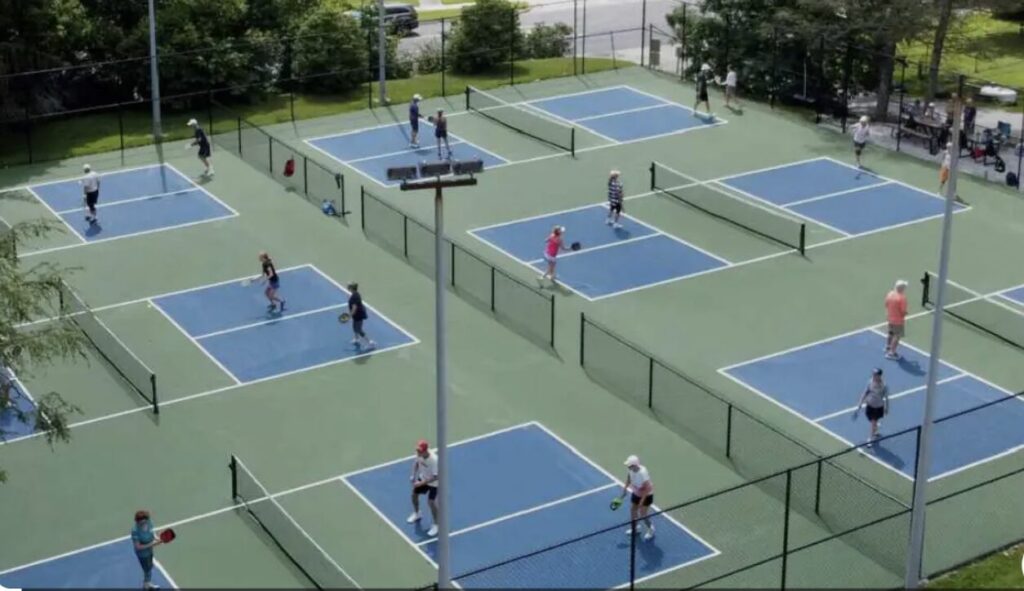
Six new pickleball courts approved for Delhi Park have surfaced tensions between Prince Edward Pickleball's fundraising momentum and gardeners worried about noise and lost serenity.
Few small-park debates have generated as much friction in Ontario as the question of where to put new pickleball courts. The Picton Gazette's latest report from Prince Edward County's Delhi Park is a useful case study in how a quickly growing recreational sport collides with the quieter uses that small community parks have historically served.
The project is well past the in-principle stage. Council designated pickleball as a Project of Community Interest in 2022 and approved Delhi Park as the location in 2024. Six new courts are now slated for an out-of-commission baseball diamond inside the park. Prince Edward Pickleball Chair Stephanie Roth told the Gazette that her group looked at every viable County-owned property and that Delhi was the only one to meet the full requirement set: accessibility, walking proximity to downtown Picton, and the underlying infrastructure to support court construction. The group has raised $164,000 from grants, donors, tournaments and events. Player numbers tell the same story; what began as a recreation-committee programme with roughly 30 players now has over 300, and the demographic is striking. Roth noted a recent match between a 92-year-old and a 22-year-old.
The pushback isn't about the sport. It's about acoustic neighbour effects and what residents value about a community park. Members of the Prince Edward Community Gardens, 34 gardeners tending 50 plots inside the park, told reporters they value the quiet serenity of Delhi as it currently sits. Pickleball's signature popping sound, at roughly 70 decibels at the source, carries further than tennis and at frequencies that residents typically describe as more intrusive. The County's planning question is therefore not whether the sport deserves capacity, but how to protect adjacent community uses through court orientation, perimeter treatment and operating-hour rules.
For any municipality looking at a similar project, the Delhi situation is informative. A passionate user community, a strong fundraising track and a real demographic case can move a project through council. The acoustic and use-conflict questions usually arrive later, and they need to be answered with measurement and clear policy, not just public meetings. Watching how Picton resolves the Delhi build will tell other Canadian municipalities a lot about how to sequence community consultation on pickleball capacity.
[Read the full piece](https://www.pictongazette.ca/post/delhi-pickleball-courts-spark-debate)
Ready to solve your noise challenge?
Get a Free Noise Assessment